

How to Choose an Electric Patio Heater
Electric patio heaters can be a cost-effective way to heat outdoor spaces. The output is measured in BTUs. You can determine the amount of heat you need by measuring the square footage.
Certain outdoor electric heaters can be installed on walls and ceilings in a way that won't disturb the setting. They're also safer than freestanding models.
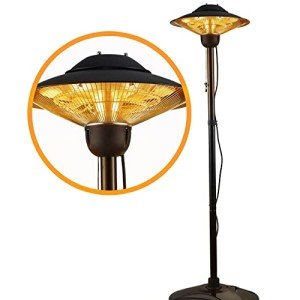
Eco-friendly
If used in a responsible manner they can be a green alternative to traditional propane heaters powered by wood or oil. They are designed to convert an extremely high percentage of energy directly into heat. This reduces energy waste and saves money on utility bills. Electric heaters emit no harmful gases, making them an ideal choice for outdoor spaces that are enclosed. They also provide a variety of finish options to choose one that will blend seamlessly with the space.
Although the majority of electric heaters are designed to be energy efficient, their effectiveness will depend on a number of environmental factors. These include the size of the heated area, the mounting height, and the weather conditions. For example, cold air and wind can cause the heater to be less effective due to its ability to warm surrounding air. One way to reduce this effect is by creating a cozy nook or providing some form of shelter. You can also make use of a parabolic reflective to improve the efficiency of your heater for your patio.
Propane patio heaters release number hazardous chemicals including carbon dioxide, nitrous oxides, and nitrogen oxides. They are the major contributors to global warming. When burning these chemical compounds, they also release toxins into the air which can trigger respiratory illnesses and other health problems. On the other side electric patio heaters are not polluting and can be powered by renewable energy sources, which results in a lower carbon footprint.
Another benefit of electric patio heaters is that they can be controlled remotely, allowing you to set the desired temperature without leaving your home. Furthermore, they can be plugged into an GFCI outlet, which shields you from electric shocks. Always look for signs of wear or damage to the cord and plug prior to using. It is also essential to use extension cords with outdoor ratings and electrical outlets.
Furthermore, you can get a durable and efficient patio heater that is eco-friendly by opting for an infrared model. These models are more effective than other kinds of patio heaters due to the fact that they heat people and objects directly instead of the air around them. They are also easier to operate and less prone to malfunction.
Savings
The best patio heaters have different heating modes, which allows you to set the perfect temperature. Examine the BTU output to determine the rate at which your space is heated. In the ideal scenario, you should look for a unit that produces between 35,000 and 50,000 BTUs per hour to keep your outdoor space warm and comfortable.
When compared to propane or gas-powered units electric patio heaters are known to be more efficient in energy use. This is because they use electricity to heat an infrared emitter which then emits warming rays into your outdoor space. patio heater electric infrared of energy is more environmentally friendly and less harmful than fossil fuels, and it will not contribute to climate change.
Some patio heaters are made to be freestanding while others can be wall-mounted for added flexibility. Both options offer instant, direct heating that is controlled via the remote. If you're planning to mount your outdoor heater in a pergola or any other structure that is covered it is essential to follow the manufacturer's guidelines to ensure that the fixture doesn't fall over or cause injury if it is placed improperly.
The power consumption of your heater will affect the amount it costs you to run it. Choose a model that has an energy efficiency of low in order to reduce your energy usage. Also, select one that offers multiple heat settings for you to be able adjust the intensity of heat.
Electric patio heaters can also be used in outdoor spaces that are subject to windy conditions. They won't be scattered by the wind. Certain models have a built-in dimmer to allow you to control the amount of heat in your space.
While both natural gas and propane-powered heaters have advantages however, many are opting to use electric patio heaters. Not only do they offer the most eco-friendly and clean way to heat your home and cooling, but they're also the most flexible and user-friendly. They are also more cost-effective than permanently installed structures, and you don't need to worry about a permit or the expense of a professional installation.
Versatile
Outdoor living spaces have surged in popularity as homeowners seek to create a relaxing retreat where they can gather and relax. However, cool temperatures can quickly dampen the mood and limit the time spent in these areas. Electric patio heaters can enhance the use of outdoor living spaces and provide targeted, effective heating.
The best patio heaters are sleek and minimalistic, blending in with the decor of the space. Some also have a remote control for easy adjustment of heat settings. You can set the desired temperature to enjoy your patio's ambience even when you are away from your home.
Electric patio heaters are also environmentally friendly, as they don't produce the same amount of carbon dioxide as propane or natural gas models. They are more secure than fire pits and chimineas because they don't emit carbon monoxide and they require flammable fuels. Many of these heaters come with additional safety features, like automatic shut-off and tip-over safety to guard against fires and other dangers.
For those with little space for floor space, wall-mounted electric heaters are a good choice. These heaters are mounted on the wall to save valuable floor space. infrared patio heater electric look sleek. They're also less likely to fall over, making them a safer choice for households with children or pets.
Another alternative is the electric ceiling heater, which is a stylish alternative to traditional fireplaces. They are suspended from the ceiling and provide a warm and inviting atmosphere for outdoor seating areas. They're available in a vast selection of styles, ranging from modern to rustic and traditional, so you can choose the right one for your space.
If you are considering an electric patio heating system, it is important to think about the space you want to use it and any restrictions you might have such as power or natural gas lines. Once you have an idea of your requirements and preferences, the process of selecting will be simple and easy.
To maximize the performance and lifespan of your patio heater, ensure safety first. Follow these steps to ensure that your electric heater is safe and efficient for you and your family.
Safety
A patio heater is a great addition to any outdoor space, but it's essential to be aware of safety precautions. Keep pets and children away from your patio heater and never leave it unattended. Keep a fire extinguisher nearby to reduce the chance of a fire in case something goes wrong. Also be sure to avoid placing any flammable objects close to the heater.
The top-rated patio heaters are infrared radiant models that heat by releasing waves of energy to the surface and surrounding objects. This kind of heating system is not affected by wind or air flow and can be adjusted to direct heat where it's most needed. This system is less expensive to run than natural gas or propane units. A 1,500-watt electric infrared heater that is operational for four hours per day for 15 days will cost around $10 per month to power, according to BC Hydro's residential rates.
Consider an infrared heating system with controls that can be programmed to switch off and on automatically at set times. Many of these controls have dimming features and can be linked to smart home automation systems. To ensure maximum efficiency, other features such as occupancy sensors can be integrated into the control system.
Gas patio heaters can be natural gas or propane. Both require an open area with plenty of ventilation to prevent the buildup of carbon monoxide which is a dangerous byproduct from combustion. They must also be at least 1m from ceilings, walls and flammable items such as furniture or umbrellas. Portable gas patio heaters should be set on a level surface to avoid them tipping over.
Natural gas patio heaters are connected to a gas supply, so they're not as portable as propane models with an internal propane tank. They are more powerful and can be controlled remotely with a remote control or timer. These heaters are great for areas with a restricted natural gas supply, or where the cost of running a gas line would be prohibitive.